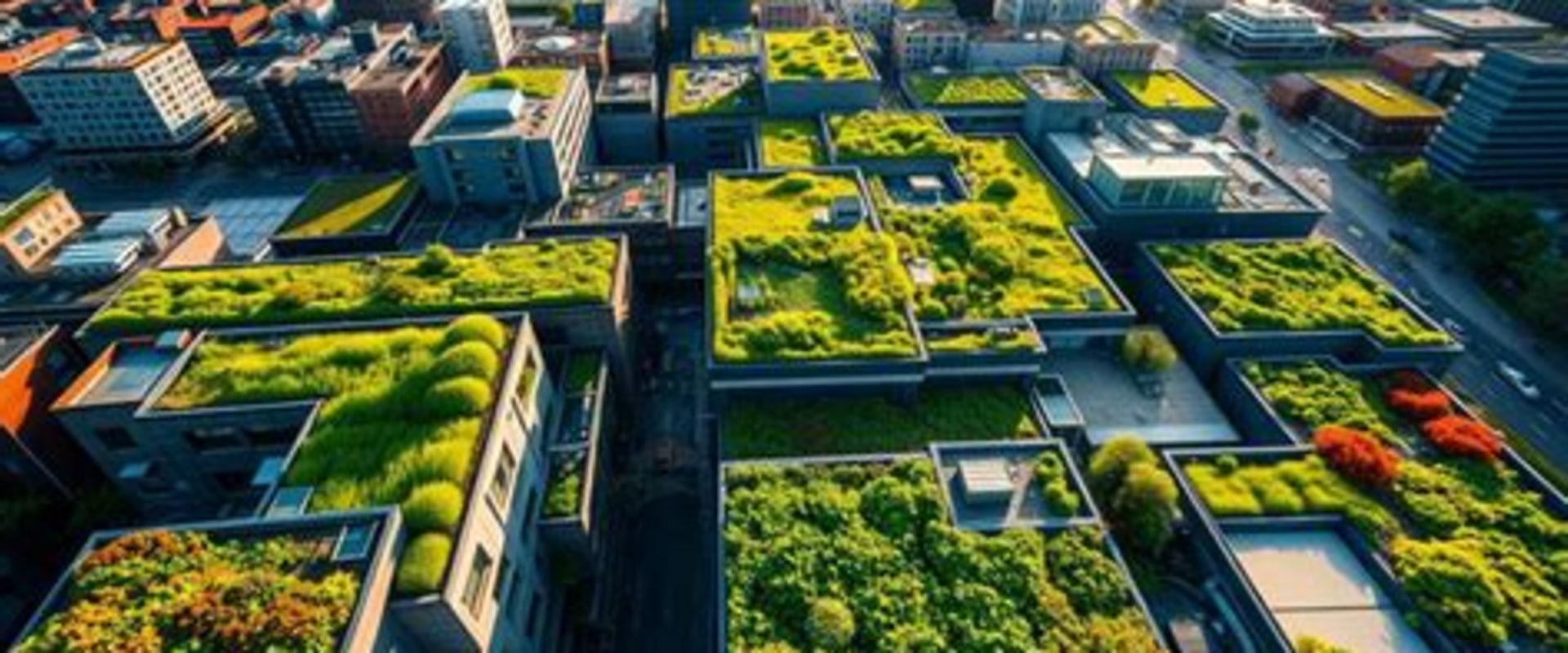
Sustainable landscape engineering focuses on creating outdoor environments that efficiently manage water, support healthy plant growth, reduce erosion, and remain environmentally stable over the long term. While many people associate sustainable landscaping with native plants, irrigation systems, and eco-friendly materials, one of the most important factors often begins much higher above the ground: the roof. Roofing systems play a major role in controlling how rainwater moves across a property, making proper roof water management essential to successful landscape engineering. Without effective drainage systems in place, even the most carefully designed sustainable landscapes may struggle with soil erosion, oversaturation, runoff damage, and long-term maintenance challenges. Roofing and landscaping are more closely connected than many homeowners realize because every rainfall begins interacting with the property at the roofline.
Roofing Systems Control Property Water Flow
Every roof collects and redirects large volumes of rainwater during storms and seasonal weather changes. Gutters, downspouts, roof slopes, and drainage systems determine how that water exits the structure and moves through the surrounding landscape. If runoff is poorly controlled, concentrated water flow may overwhelm soil conditions, flood planting areas, or erode carefully engineered drainage systems. Sustainable landscape engineering depends on balanced water distribution to support healthy ecosystems and prevent environmental degradation around the property. Improper roof drainage can quietly interfere with these goals by introducing excessive moisture into some areas while leaving others too dry. Because of this, landscape engineers often evaluate roof runoff patterns before finalizing grading plans or installing long-term drainage solutions.
Soil Health Depends on Proper Drainage
One of the primary goals of sustainable landscape design is maintaining healthy, stable soil conditions. Excessive roof runoff can weaken this balance by compacting soil, washing away nutrients, and reducing the soil’s ability to absorb water effectively. Over time, uncontrolled drainage may create erosion channels that destabilize planting beds, retaining walls, and hardscape features. Sustainable landscapes rely on soil that retains enough moisture for plants while still allowing proper drainage and airflow beneath the surface. Roofing professionals understand that poorly functioning gutters or drainage systems can significantly disrupt these conditions. Companies such as A1 Roofing Services Mason City IA recognize that proper roofing water management contributes not only to structural protection but also to the long-term success of sustainable outdoor environments.
Water Conservation Starts With Runoff Management
Sustainable landscape engineering also emphasizes water conservation and efficient irrigation practices. However, roof runoff problems can undermine these efforts by creating uneven moisture distribution throughout the property. Areas receiving concentrated downspout discharge may become oversaturated, while other sections of the landscape remain dependent on supplemental irrigation. In some cases, homeowners unintentionally waste water trying to compensate for poor drainage patterns caused by roofing issues. Properly designed roof water management systems help distribute rainwater more effectively and may even support sustainable features such as rain gardens, permeable surfaces, or water collection systems that reduce irrigation demand over time.
Erosion Prevention Protects Landscape Stability
One of the biggest challenges in sustainable landscaping is preventing long-term erosion caused by uncontrolled water movement. Heavy roof runoff can gradually carve channels through lawns, damage slopes, and weaken retaining systems designed to stabilize the property. Sustainable landscape engineering often includes grading strategies and drainage pathways intended to slow and redirect water safely throughout the site. These systems function much more effectively when roof runoff is properly controlled from the start. Poor gutter placement, clogged drainage systems, or overflowing downspouts may overwhelm even professionally engineered landscape solutions if roofing water flow is ignored.
Coordinated Planning Creates More Sustainable Properties
Long-term sustainability depends on how well different property systems work together. Roofing, drainage, grading, irrigation, and landscaping all influence the movement and absorption of water across the property. By addressing roof drainage as part of sustainable landscape planning, homeowners can reduce erosion risks, improve soil stability, and support healthier plant growth with fewer long-term maintenance issues. Routine roof inspections, gutter maintenance, and runoff evaluations all contribute to more efficient water management and stronger outdoor performance over time. Sustainable landscape engineering is most successful when roofing systems and outdoor drainage strategies are planned together as part of one connected environmental system.