When planning a move, most people focus on timelines, packing strategies, and choosing the right moving company. What often goes unnoticed is how landscape engineering directly affects the safety, efficiency, and cost of moving services. Landscape engineering determines how weight is distributed across a property, how water drains, where vehicles can safely park, and which areas can withstand heavy foot traffic. Ignoring these factors before scheduling movers can turn an otherwise smooth relocation into a series of preventable problems. A landscape designed for everyday living may not be prepared for the concentrated stress of a moving day.
Ground Stability and Heavy Equipment Access
Moving services rely on large trucks, ramps, dollies, and repeated foot traffic. Landscape engineering plays a critical role in determining whether lawns, driveways, and access paths can support that load. Poorly compacted soil, decorative turf systems, or shallow root zones may collapse under weight, leading to ruts, broken irrigation lines, or damaged plantings. Sloped yards without reinforcement can create unsafe conditions for crews carrying heavy items. Before scheduling movers like Mountain Movers, evaluating ground stability helps identify where protective mats, alternate parking locations, or temporary reinforcements may be needed to avoid costly damage.
Drainage Patterns and Weather Risk
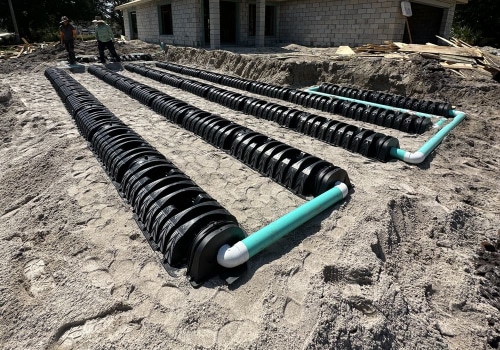
Landscape engineering also controls how water moves across a property. Improper grading or inadequate drainage systems can turn a light rain into a serious moving-day obstacle. Saturated soil becomes slippery and unstable, increasing the risk of accidents and making equipment harder to maneuver. Mud tracked indoors adds cleaning costs and can damage floors during a high-traffic day. Assessing drainage patterns ahead of time allows moves to be scheduled strategically or supported with temporary solutions that keep both crews and property safe, regardless of weather conditions.
Protecting Hardscapes and Softscapes
Without proper planning, moving services can unintentionally damage both hardscape and softscape elements. Pavers may shift under truck weight, edging can loosen, and planting beds may be crushed by staging activity. Landscape engineering identifies load-bearing surfaces versus decorative ones, clarifying where movers should travel and where they should not. Establishing these boundaries before the move prevents accidental damage and reduces post-move repair costs. It also ensures that the visual structure of the landscape remains intact after the move is complete.
Efficiency, Safety, and Cost Control
From a logistical standpoint, landscape-aware planning improves efficiency. Clear, stable access routes reduce delays, minimize crew fatigue, and lower the risk of injury. When movers don’t have to navigate unstable ground or reroute repeatedly, the job proceeds faster and more predictably. This efficiency can directly impact moving costs, especially for hourly services. In contrast, unplanned landscape challenges often result in longer move times, additional labor, and unexpected repair expenses that far exceed the cost of proactive preparation.
Post-Move Recovery Starts Before the Move
Landscape engineering considerations don’t end once the truck leaves. Pre-move planning allows landscapes to recover faster afterward. Lawns that were aerated, reinforced, or protected before the move rebound more quickly than those left vulnerable. Irrigation systems that were identified and safeguarded are less likely to need emergency repairs. This foresight preserves curb appeal and prevents small issues from becoming long-term maintenance problems.
Integrating Landscape Planning Into Move Scheduling
Considering landscape engineering before scheduling moving services transforms the move from a reactive process into a coordinated one. It aligns exterior infrastructure with logistical demands, protecting both property and people. A move doesn’t only happen inside a home—it passes through the yard, driveway, and surrounding environment. When those spaces are engineered with the move in mind, the entire experience becomes safer, smoother, and far less costly.