Landscape engineering is often mistaken for standard landscaping, but the two disciplines serve very different purposes. While landscaping typically focuses on aesthetics and outdoor beautification, landscape engineering involves the technical planning and design of outdoor environments to improve functionality, drainage, structural stability, and long-term property performance. Through smart site planning, landscape engineering works closely with contracting and home service efforts to create properties that are not only attractive but also more resilient and efficient. By addressing factors such as grading, water flow, soil conditions, and site accessibility, landscape engineering helps support a wide range of home improvement and maintenance objectives.
Creating a Strong Foundation for Property Performance
One of the most important contributions of landscape engineering is establishing conditions that support the long-term health of the property. Every home sits within a larger environmental system that includes soil, drainage patterns, vegetation, and surrounding terrain. If these elements are not properly managed, they can contribute to issues such as erosion, standing water, foundation movement, and structural deterioration. Landscape engineers evaluate these site-specific conditions and develop solutions that help protect both the home and its surrounding features. By creating a stable and well-functioning outdoor environment, they provide a solid foundation for future contracting and maintenance efforts.
Improving Drainage and Water Management
Water management is one of the most critical aspects of smart site planning. Excessive moisture can damage foundations, driveways, walkways, retaining walls, and landscaping features. Landscape engineering helps direct water away from vulnerable areas through grading adjustments, drainage systems, swales, retention features, and carefully designed planting strategies. These improvements often complement the work of contractors who are responsible for maintaining or repairing structural components. Effective drainage planning can reduce the likelihood of costly repairs while improving the overall performance of the property throughout the year.
Supporting Home Service and Renovation Projects
Landscape engineering often plays an important role during home renovations, additions, and exterior improvement projects. Contractors may focus on constructing or upgrading specific features, but site conditions can significantly influence the success of those improvements. Proper grading, accessibility planning, and drainage solutions help ensure that construction projects perform as intended over the long term. For example, homeowners investing in roof repair services in Brownsburg Indiana may also benefit from evaluating how water moves around the property after it leaves the roof. Coordinating roofing work with site planning strategies helps create a more complete approach to moisture management and property protection.
Enhancing Accessibility and Functional Use of Outdoor Spaces
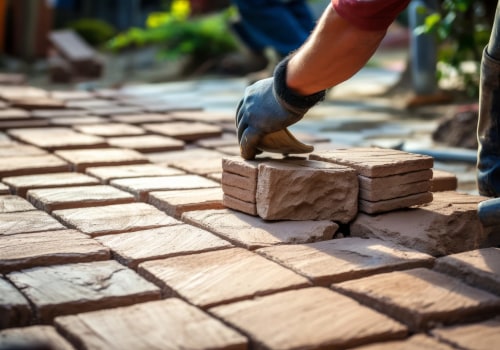
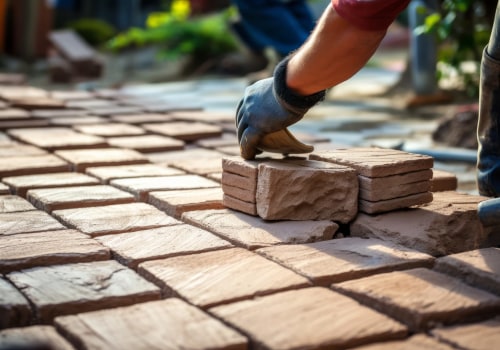
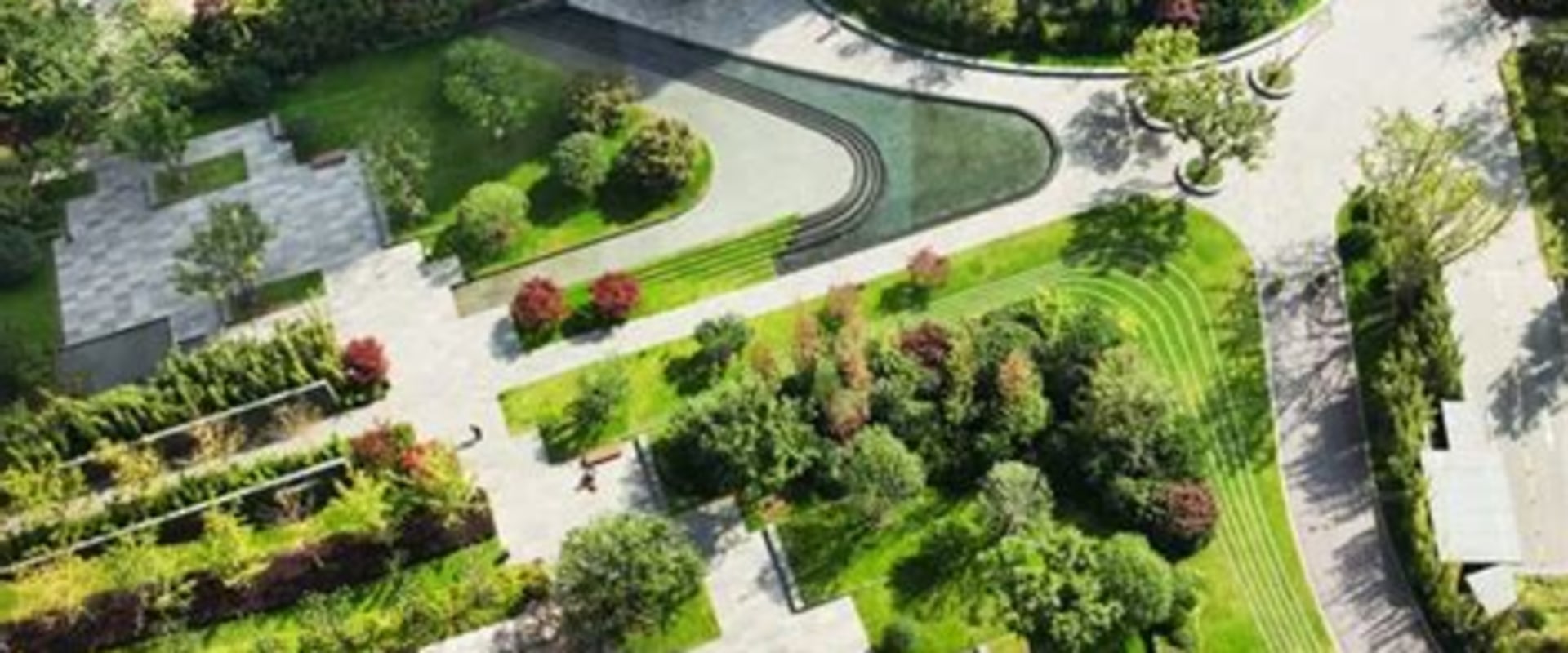
Another advantage of landscape engineering is its ability to improve how outdoor spaces function. Smart site planning considers pedestrian access, traffic flow, outdoor recreation areas, maintenance requirements, and future property needs. Walkways, patios, retaining walls, and landscape features can all be positioned to improve usability while minimizing long-term maintenance concerns. By integrating these elements into the overall property design, landscape engineers help homeowners create outdoor environments that are both practical and visually appealing.
Encouraging Long-Term Property Sustainability
Landscape engineering also contributes to sustainability goals by promoting efficient resource use and environmental stewardship. Proper site planning can improve water conservation, reduce erosion, minimize runoff, and support healthier vegetation. These benefits not only protect the environment but also help reduce ongoing maintenance requirements. Sustainable site designs often perform more effectively over time, resulting in fewer repairs and lower long-term ownership costs.
A Valuable Partner in Comprehensive Property Planning
Ultimately, landscape engineering complements contracting and home services by providing the technical site planning needed to support long-term property performance. Through effective drainage management, soil stabilization, accessibility improvements, and sustainable design practices, landscape engineers help create conditions that allow homes and outdoor features to function more efficiently. When integrated into broader property improvement efforts, smart site planning enhances the value, durability, and usability of the entire property. By viewing the landscape as an essential part of the home's infrastructure, homeowners can achieve better outcomes from both construction projects and ongoing maintenance activities.