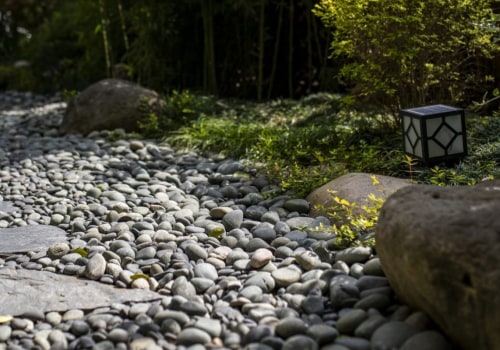
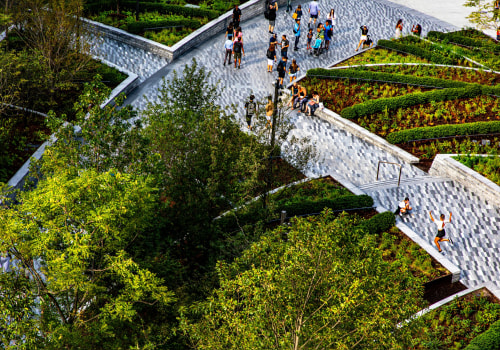
Modern landscape engineering has evolved far beyond planting trees, laying sod, and installing decorative walkways. Today's outdoor projects frequently incorporate retaining walls, outdoor kitchens, pergolas, water features, fire pits, patios, elevated decks, drainage systems, lighting, and hardscape elements that require careful coordination with the surrounding environment. As these features become larger and more sophisticated, structural considerations become increasingly important to ensure they remain safe, durable, and functional for many years. Structural engineers play a vital role in modern landscape engineering because they evaluate how outdoor structures interact with soil conditions, slopes, foundations, and existing buildings. Their expertise helps transform attractive landscape concepts into practical, code-compliant designs capable of withstanding environmental loads, weather conditions, and everyday use. By addressing structural requirements early in the planning process, projects are less likely to encounter costly delays, unexpected failures, or long-term maintenance issues.
Designing Outdoor Spaces That Last
Every landscape engineering project begins with understanding the characteristics of the site itself. Soil composition, drainage patterns, elevation changes, groundwater conditions, and existing structures all influence how outdoor improvements should be designed and constructed. Structural engineers assess these conditions to determine the appropriate support systems for retaining walls, stairs, terraces, outdoor entertainment areas, and other landscape features. They also evaluate how additional loads from stone paving, concrete installations, decorative walls, and outdoor living spaces will affect the surrounding ground and nearby structures. Without this level of planning, landscape improvements may experience settlement, cracking, erosion, or structural movement over time. Careful engineering ensures that every element works together as a complete system, providing homeowners and property developers with outdoor environments that remain stable despite changing weather conditions and years of continuous use.
Collaboration Improves Construction Quality
Successful landscape engineering depends on effective collaboration among landscape architects, contractors, surveyors, drainage specialists, and structural engineers. Each discipline contributes specialized knowledge that improves both the appearance and performance of the finished project. Structural engineers help identify potential challenges before construction begins, reducing the need for costly modifications once work is underway. They also ensure that retaining walls are properly reinforced, outdoor structures are adequately supported, and drainage systems function as intended without negatively affecting surrounding foundations or neighboring properties. Companies such as Open Concept Engineering recognize that engineering expertise is an essential part of delivering outdoor projects that balance creativity with long-term structural reliability. Their involvement demonstrates how careful planning allows attractive design concepts to be constructed safely while maintaining compliance with building standards and protecting the overall integrity of the property.
Long-Term Value Through Engineering Expertise
One of the greatest advantages of involving structural engineers in landscape engineering projects is the long-term value they help create. Properly engineered outdoor spaces generally require fewer repairs, perform better under heavy rainfall and seasonal weather changes, and maintain their appearance longer than projects completed without sufficient structural planning. Features such as retaining walls, decorative masonry, elevated patios, and outdoor living areas continue functioning as intended because their support systems were designed to accommodate anticipated loads and environmental conditions. Homeowners also benefit from improved safety, greater property value, and reduced maintenance expenses throughout the life of the landscape. As outdoor living continues to become a central part of residential design, the integration of structural engineering into landscape projects becomes increasingly important. By combining sound engineering principles with thoughtful landscape design, modern projects achieve a balance of beauty, durability, and functionality that enhances both the outdoor environment and the structural stability of the property. This collaborative approach ensures that landscape improvements remain reliable investments, providing enjoyable and resilient outdoor spaces that continue serving homeowners well into the future.