Landscape engineering is more than arranging plants and pathways—it is a science-driven approach to creating outdoor environments that are both functional and sustainable. By combining principles of soil science, hydrology, and ecology, landscape engineers design spaces that naturally resist pests while promoting plant health and environmental balance. A well-engineered landscape reduces the need for chemical interventions by addressing the root causes of pest problems, such as excess moisture, poor soil conditions, and inadequate airflow. This proactive approach ensures that outdoor spaces remain vibrant, resilient, and easier to maintain over time.
Soil Health and Foundation Planning
Healthy soil is the foundation of any pest-resistant landscape. Landscape engineering techniques often begin with soil analysis to determine nutrient levels, drainage capacity, and composition. By improving soil structure through amendments and proper grading, engineers create an environment where plants can thrive without becoming vulnerable to pests and diseases. Well-drained soil prevents water from pooling, which is a common breeding ground for insects. Additionally, balanced nutrients support stronger plant growth, making vegetation less susceptible to infestations. These foundational steps set the stage for a landscape that can sustain itself with minimal intervention.
Water Management and Drainage Solutions
Effective water management is a cornerstone of landscape engineering. Poor drainage can lead to standing water, which attracts mosquitoes and other pests. Engineers design systems such as swales, French drains, and permeable surfaces to control water flow and prevent accumulation. These solutions not only protect the landscape from erosion but also reduce the conditions that pests rely on to thrive. By directing water away from critical areas and maintaining consistent moisture levels, landscape engineers create environments that are less inviting to unwanted insects and animals.
Strategic Planting and Biodiversity
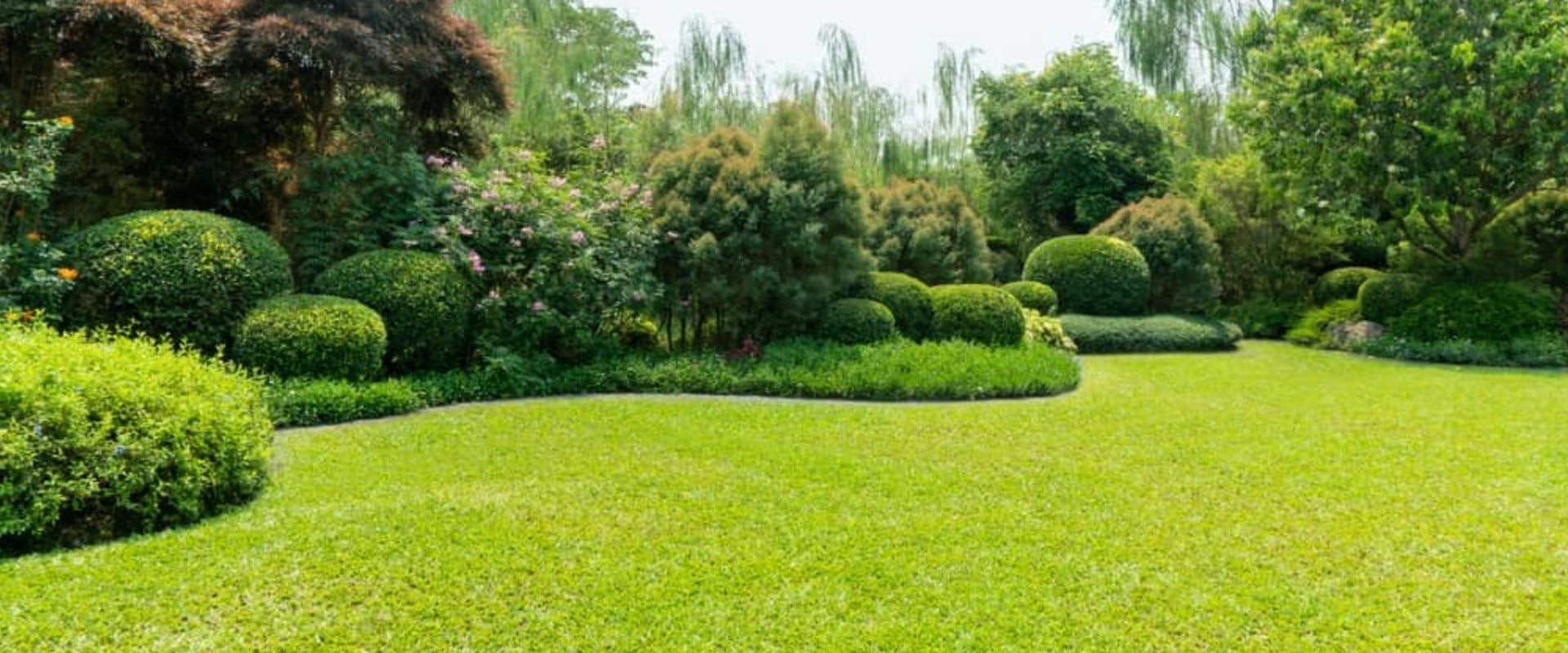
Plant selection and placement are carefully planned to support biodiversity and natural pest control. Engineers often incorporate native plants that are well-adapted to the local climate and less prone to pest issues. These plants can attract beneficial insects, such as pollinators and natural predators, which help keep pest populations in check. Strategic spacing and layering of vegetation improve airflow and sunlight penetration, reducing the damp conditions that encourage pests. This balanced ecosystem approach allows landscapes to regulate themselves naturally, minimizing the need for external pest control measures.
Integrating Professional Pest Management
While landscape engineering significantly reduces pest risks, certain situations may still require specialized expertise. Collaborating with professionals like Critter Bros ensures that any persistent pest issues are addressed effectively without disrupting the overall design. These experts can provide targeted solutions that complement the engineered landscape, creating a comprehensive strategy for maintaining a healthy outdoor environment. This integration of design and professional support enhances the long-term success of pest prevention efforts.
Enhancing Usability and Comfort
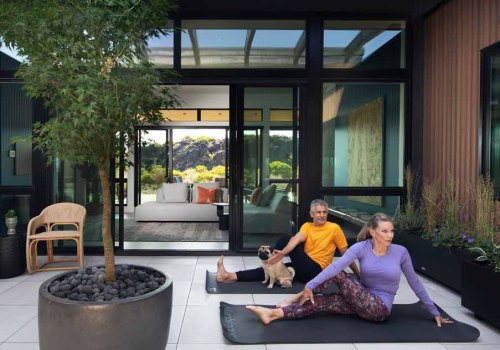
A well-engineered landscape not only minimizes pests but also enhances the usability of outdoor spaces. By creating comfortable, well-ventilated, and properly shaded areas, these designs encourage homeowners to spend more time outdoors. Features such as seating areas, pathways, and recreational zones become more enjoyable when pest activity is reduced. This combination of functionality and comfort transforms outdoor spaces into extensions of the home, supporting relaxation and social interaction.
A Sustainable Approach to Outdoor Living
Ultimately, landscape engineering techniques provide a sustainable solution for creating healthier, pest-free spaces. By addressing environmental factors such as soil health, water management, and plant selection, these methods reduce reliance on chemical treatments and promote long-term stability. The result is a landscape that not only looks beautiful but also supports a balanced ecosystem. Through careful planning and thoughtful design, homeowners can enjoy outdoor environments that are both resilient and inviting, making landscape engineering a valuable investment in the future of their property.